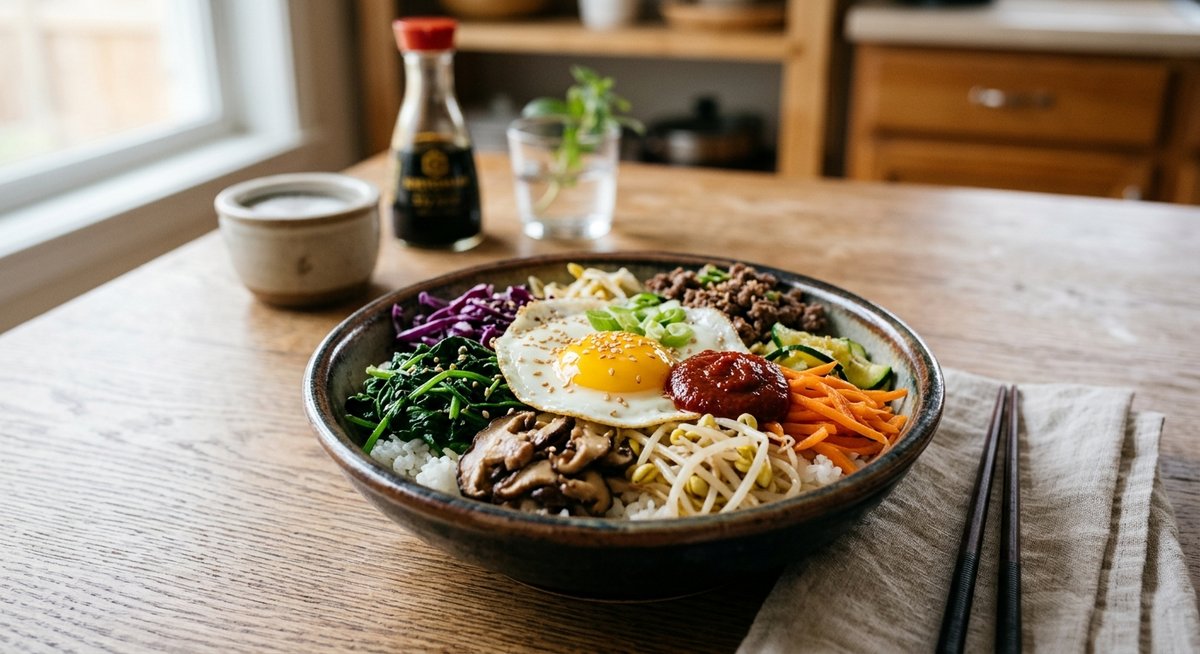
The Ultimate Guide to Crafting a Delicious Korean Bibimbap Bowl
2026-10-31
If you're looking for a meal that's both a feast for the eyes and a delight to the taste buds, look no further than the Korean Bibimbap Bowl. This vibrant dish is not only a staple in Korean cuisine but has also become beloved worldwide for its rich flavours and nutritious profile. It's as much a work of art as it is a flavourful dinner option.
What Makes Bibimbap So Special?
Bibimbap, which literally means "mixed rice," is a harmonious blend of sautéed vegetables, sliced meats (or tofu for a vegetarian twist), and, of course, a perfectly fried egg on top. All these ingredients are elegantly placed over a bed of warm, fluffy rice and mixed together right before eating. The result? A delightful explosion of textures and flavours that dance on your palate.
The magic of Bibimbap lies in its versatility. Whether you're a veggie lover or a meat enthusiast, you can adapt this dish to suit your preferences, which makes it a perfect choice for those seeking a customisable meal option.
Key Ingredients You Need
To create your own Bibimbap, you'll need a few essentials. While there are countless variations, here are the core ingredients you'll want to have on hand:
Cooking Tips for the Perfect Bibimbap
Nutritional Highlights
Bibimbap isn’t just delicious, it's also a nutritional powerhouse. The medley of vegetables provides a wealth of vitamins and minerals, while the protein from the meat or tofu aids muscle repair and growth. The egg offers essential fats and further protein, making this dish well-rounded and satisfying. For those counting calories, opting for brown rice and an extra serving of veggies can enhance the health benefits further.
Ready to Stir Up Some Flavour?
Bibimbap is more than just a meal; it's an experience that brings family and friends together over a bowl of mixed goodness. Whether you're a seasoned cook or a beginner, this dish is sure to impress. Unlock the secrets of Korean flavours and bring Bibimbap into your kitchen rotation.
Download Stir today, and let's get cooking!